Most glamping founders hit the same wall: the land is identified, the concept is clear, and the money to build is not in the bank yet. Lenders want proof the business will work, and investors want proof that guests will come. Neither proof exists until you create it.
This guide covers how to finance a glamping resort before and during construction, using five common sources of capital and one lever many founders skip: selling stays before the first cabin goes up. It is written for founders who are planning a first site or a first expansion.
How to finance a glamping resort: the short answer
Most glamping resorts are financed with a stack, not a single source: a government-guaranteed loan such as an SBA or USDA program, a local bank, private investors, crowdfunding, or a revenue share partnership. Presale bookings sit underneath that stack as evidence of demand you can show to every lender and investor.
The order you pursue them in matters. Lenders and investors read the same signals: who is behind the project, whether the site can be built, and whether guests will pay. The sections below take each source in turn, then show how presales make the rest of the conversation easier.
SBA loans for glamping: 7(a), 504 and microloans
SBA loans are not paid out by the Small Business Administration itself. They are issued by private lenders and backed by a government guarantee. On its rural businesses page, the SBA lists three programs that are relevant when you are searching for an SBA loan for glamping.
- 7(a) loans: described by the SBA as its largest financing program. They can be used for real estate, equipment, working capital, refinancing or buying an existing business.
- 504 loans: fixed-rate financing for real estate or major equipment, provided through a bank together with a Certified Development Company (CDC).
- Microloans: smaller loans that range from $500 to $50,000.
For a glamping project, that maps roughly onto land and structures (7(a) or 504), units and equipment (7(a) or 504) and early operating costs (7(a) or a microloan). Eligibility, rates and terms depend on the lender and your situation, so treat these as categories to discuss, not offers to count on.
The same SBA page notes a memorandum of understanding between the SBA and the U.S. Department of Agriculture to improve access to credit in rural areas. That matters because many glamping sites are rural.
USDA loans for glamping in rural areas
If your site is in a rural area, the USDA is the second government door to knock on. The USDA Business & Industry Loan Guarantees program guarantees loans that lenders make to businesses in rural areas.
As with the SBA, the guarantee sits behind a lender rather than replacing one. When founders search for a USDA loan for glamping, the practical first step is to ask a lender that works with USDA Rural Development whether your location and project qualify.
Local banks and glamping business loans
Local and regional banks are often the most direct route to conventional glamping business loans, and many of them are also the lenders that deliver SBA and USDA guaranteed products. A banker who knows the area, its tourism season and its zoning history can read your plan faster than a lender who has never seen the region.
Go in prepared. A bank will want to understand the site, the build plan, the budget, the team and the evidence that guests will book. The more of that you can show rather than describe, the more productive the first meeting tends to be.
Glamping investors: private capital and revenue share
Private investors include friends and family, local business owners, hospitality operators and individuals looking for real-asset projects. Glamping investors care about many of the same signals as a bank, plus the story: why this site, why this design, why you.
A revenue share partnership is a related structure, where a partner is paid from the resort's revenue rather than, or alongside, owning equity or charging interest. Glamping Insider, an industry newsletter written from an operator's perspective, lists revenue share as one of five ways to fund a resort in its September 2025 funding guide. The other four are SBA and USDA loans issued by private banks but backed by government entities, local banks, private investors and crowdfunding.
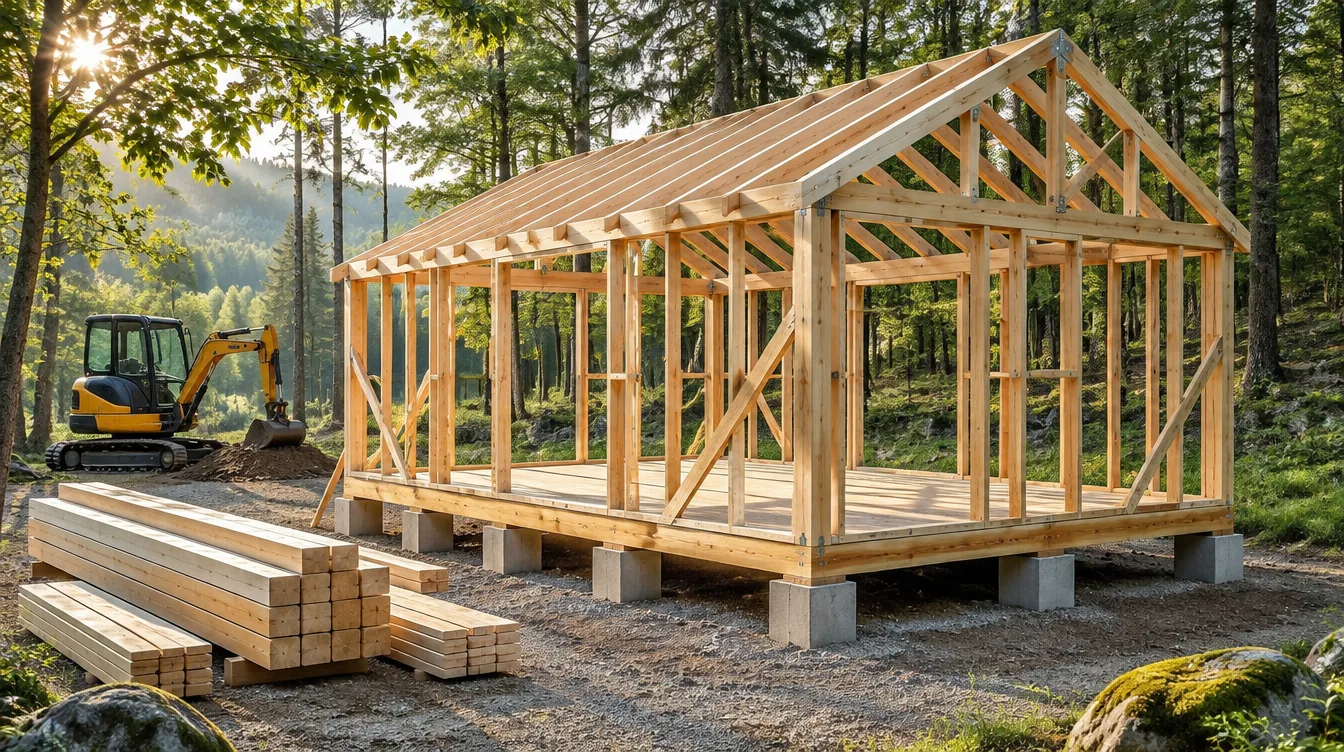
Before you pitch anyone, read what investors and backers expect to see before a resort is built. Team, demand, visuals and permits come up in almost every conversation.
Crowdfunding a glamping resort: equity vs reward
Crowdfunding splits into two very different models. Equity crowdfunding sells a stake in the business to many smaller investors, and it comes with securities rules that need a qualified advisor. Reward crowdfunding sells something in return for support: in lodging, that is usually future stays, founder rates or experiences.
Reward campaigns are where the visual side of the project carries the most weight, because backers are buying a stay they cannot yet see in person. Atelier IAS visuals have supported more than 40 crowdfunding campaigns that together raised $28.8M, and 92% of them were funded on launch day. Visuals alone do not fund a campaign, though: reward launches also need an audience built before launch day.
Glamping presale bookings: demand proof lenders and investors can read
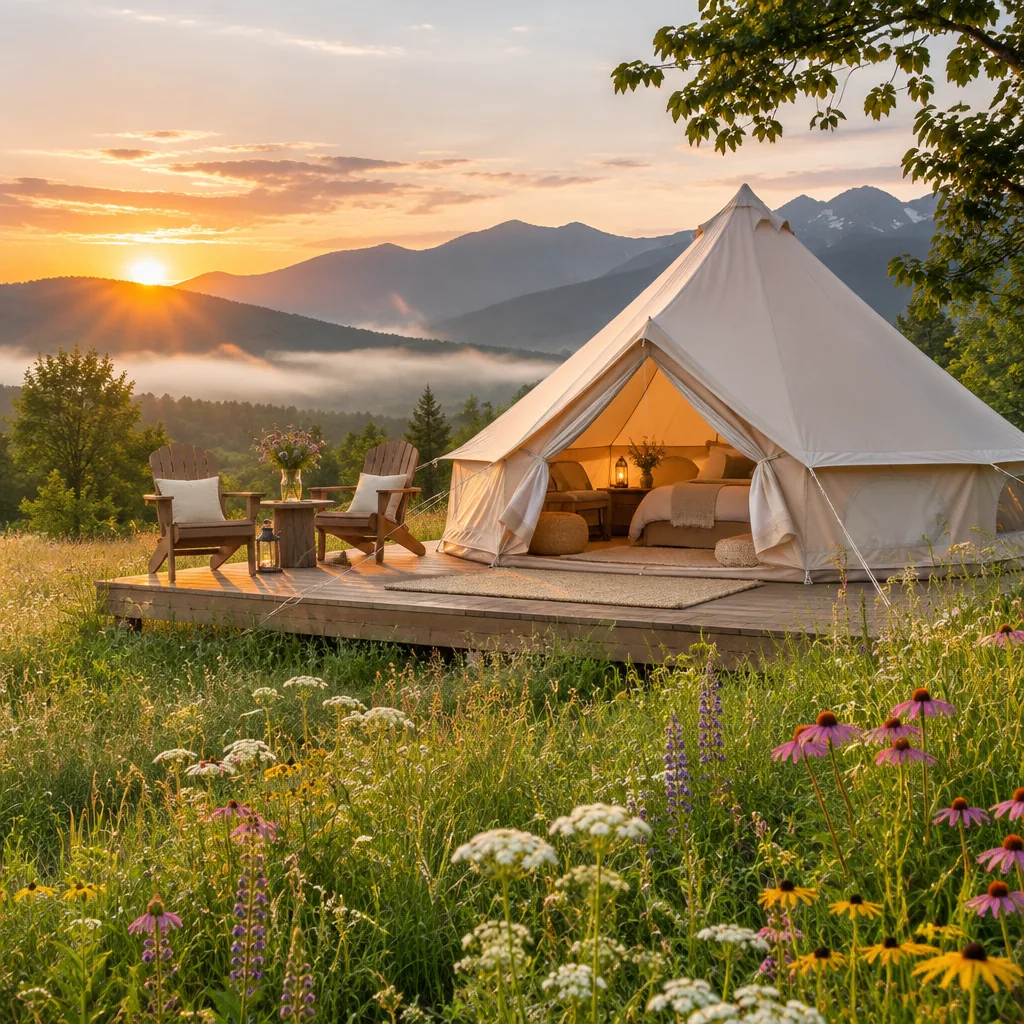
Every source above asks some version of the same question: will guests actually pay to stay here? Glamping presale bookings answer it with money rather than opinion. A presale lets future guests book nights, founder rates or VIP packages before construction is finished.
Presales do not replace a loan or an investor. What they do is turn your demand assumptions into a number you can put in front of a bank, an investor or a crowdfunding audience. That number is far easier to discuss than a market study alone.
What Glasscombe and Stillwater Caves show
Two projects we produced launch visuals for illustrate the point. Glasscombe, a cabin retreat in the Cotswolds, recorded $857,545 in bookings for three cabins that had not yet been built.
Stillwater Caves, near Asheville, North Carolina, ran a VIP presale with a $50,000 goal and raised $327,886. In both cases, guests committed money long before anyone could walk the site.
How to structure a presale before construction
A presale works when guests can see exactly what they are booking and trust that it will exist. In practice, that means a short list of assets and decisions.
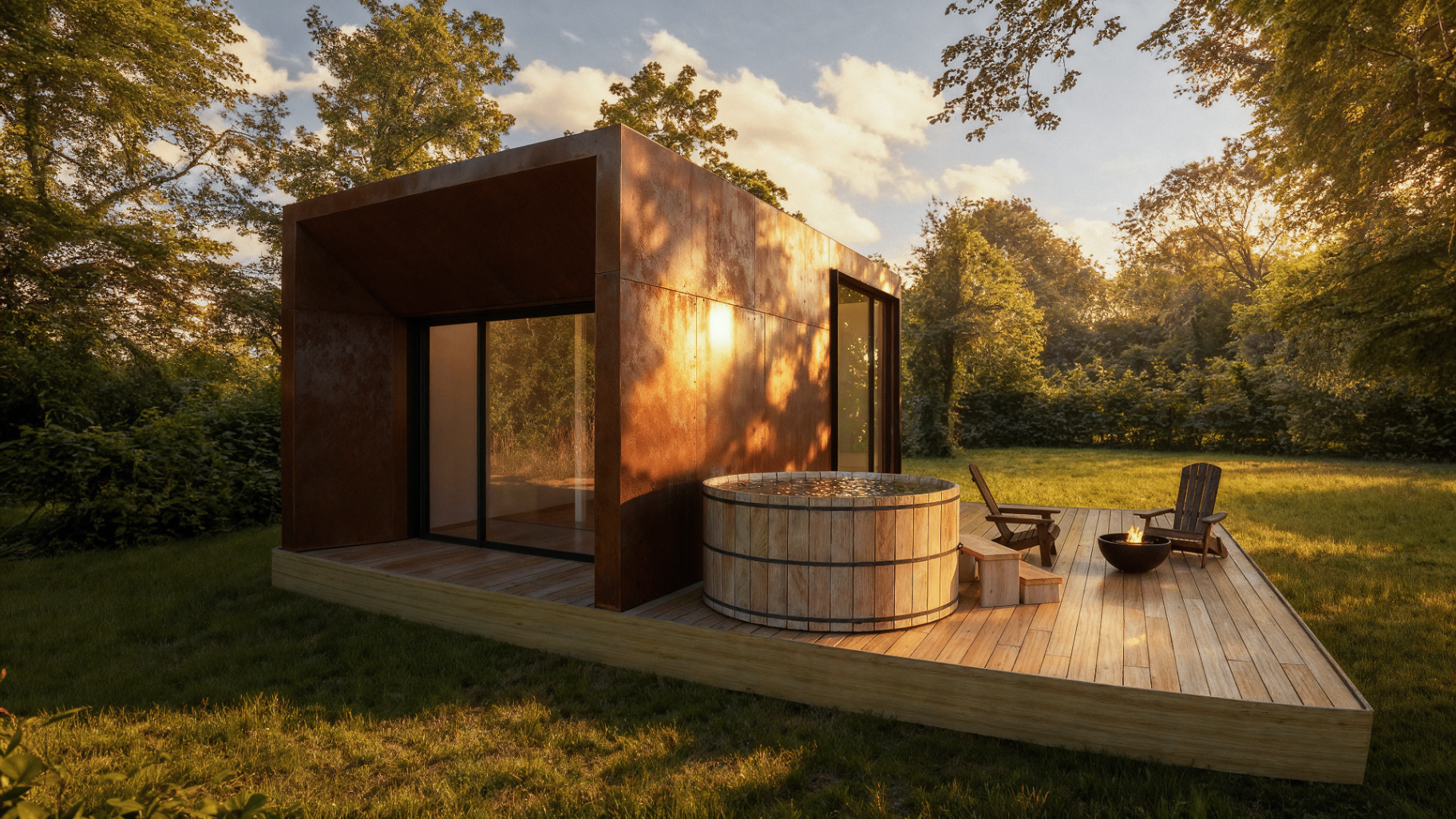
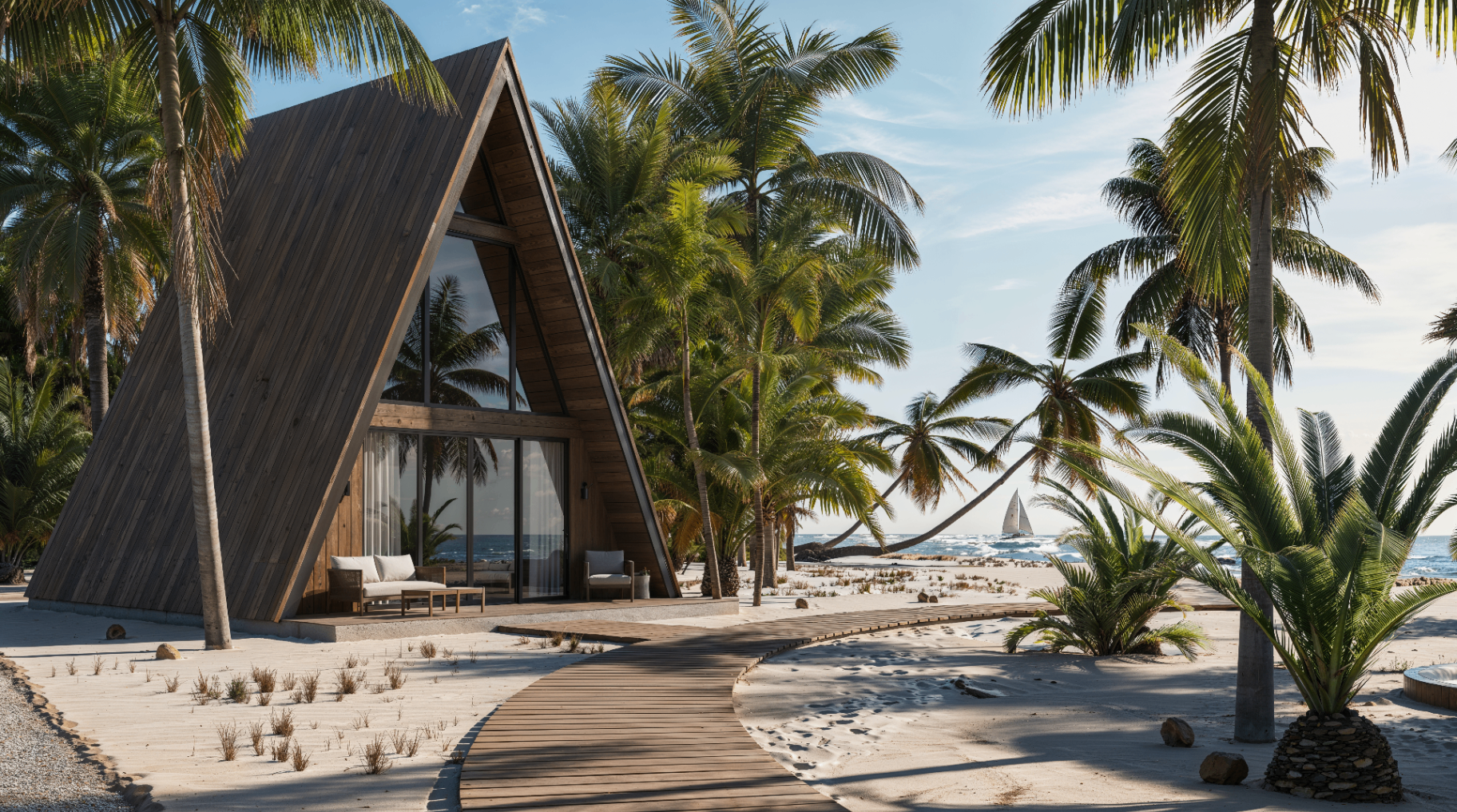
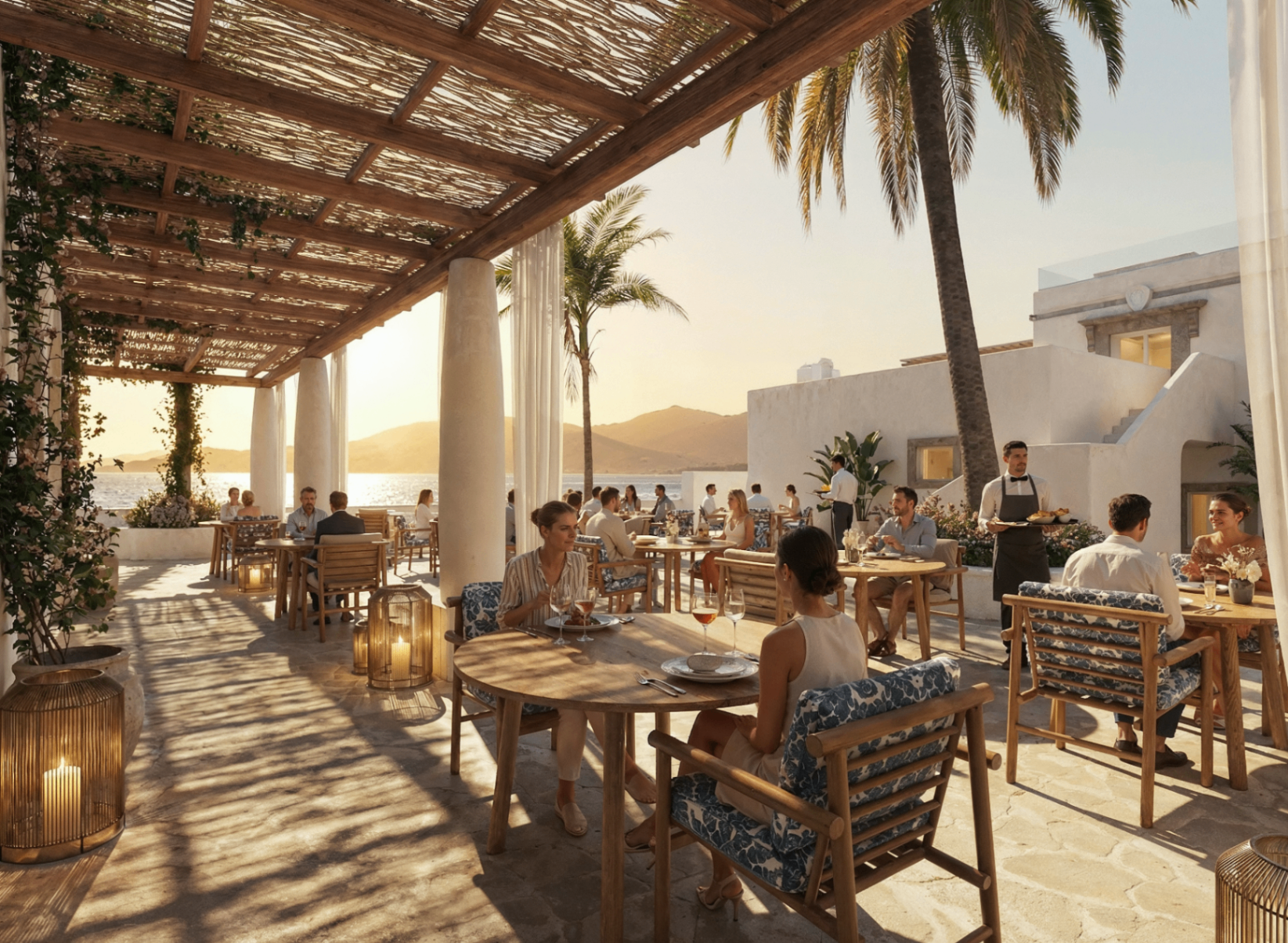
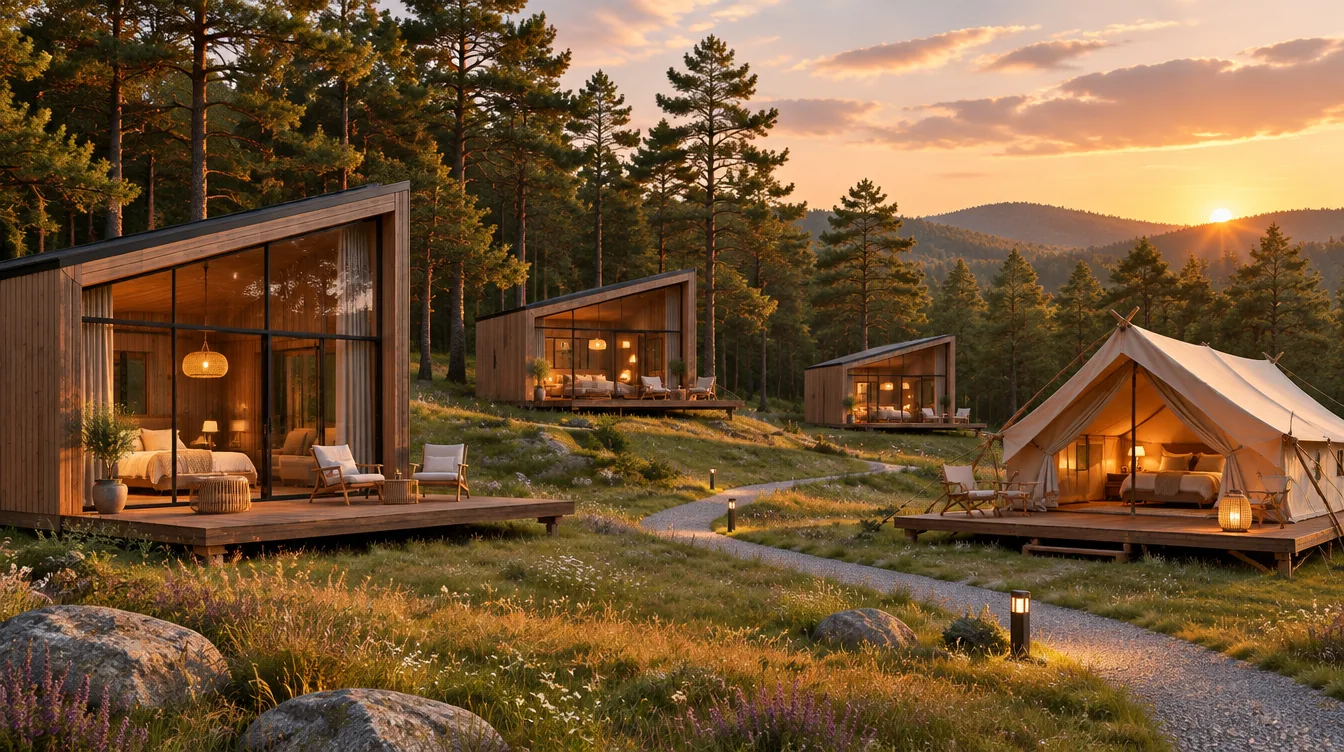
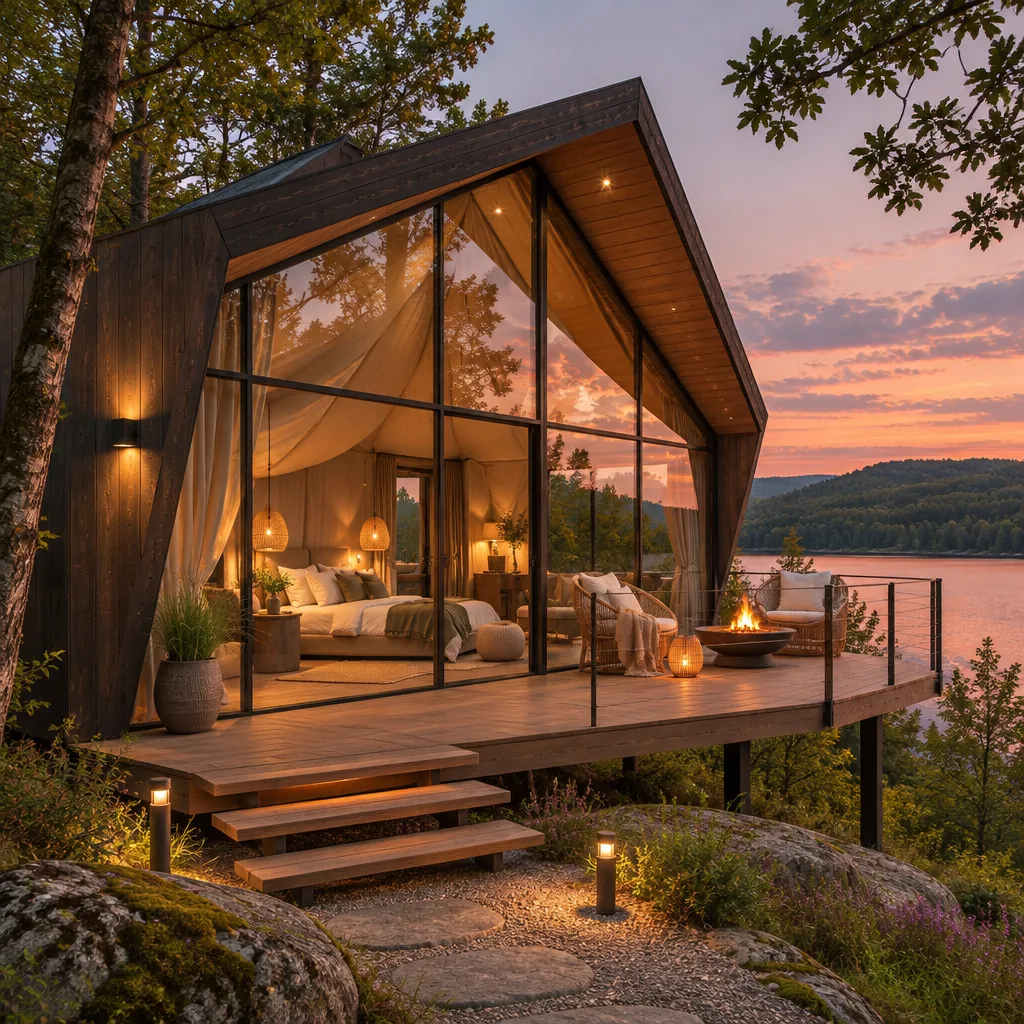
- Photorealistic renders of the units, interiors and views, so the stay is concrete.
- A launch film that shows arrival, the space and the experience.
- A clear offer: what is included, which dates, what happens if construction is delayed.
- A landing page and email list that build an audience before the presale opens.
We cover the full playbook, including timelines and the two case studies above, in our free guide: how to presell nights before you break ground. It is the next read if presales are part of your plan.
Building a financing stack: order of operations
There is no single correct sequence, but most founders move from proof to capital rather than the other way round. A common order looks like this.
- Secure the site and confirm what you can build there.
- Produce the design and the visual package: renders, film, site plan.
- Build an audience and open a presale or reservation list.
- Take the results to a bank, an SBA or USDA lender, or private investors.
- Use crowdfunding or a revenue share partner to fill gaps or fund a later phase.
At IAS, the stretch from concept to launch typically takes 8 to 14 weeks. You can see how we run it, step by step, on how we launch a glamping resort.
What to prepare before you talk to a lender or investor
Whichever door you knock on first, arrive with the same core file. It saves time and shows that you have done the work.
- A site summary with land control and the zoning or permitting status.
- A design and unit mix, shown in renders rather than described.
- A budget for construction and opening, built with your contractor.
- Evidence of demand: presale revenue, deposits or a qualified reservation list.
- A short team page that names who is accountable for what.
This is general information, not financial or legal advice; talk to a lender and an advisor before choosing a financing structure.
Frequently asked questions
Can I get an SBA loan for a glamping business?
The SBA's 7(a) program can be used for real estate, equipment, working capital, refinancing and buying a business, and its 504 program finances real estate or major equipment through a bank and a Certified Development Company. Whether your project qualifies depends on the lender's review, so speak to an SBA lender early.
Are there USDA loans for glamping?
The USDA Business & Industry Loan Guarantees program guarantees loans that lenders make to businesses in rural areas. Many glamping sites are rural, so ask a lender that works with USDA Rural Development whether your location and project are eligible.
How do glamping presale bookings help with financing?
Presale bookings turn expected demand into actual revenue you can show. Glasscombe recorded $857,545 in bookings for three cabins not yet built, and Stillwater Caves raised $327,886 in a VIP presale against a $50,000 goal. Figures like these give lenders and investors something concrete to evaluate.
What do glamping investors want to see?
Most want to see the people behind the project, a site that can legally be built, a credible budget and proof that guests will book. Renders and a launch film make the design tangible, and presale results make demand measurable.