Why backers need to see it before it exists
A lodging crowdfunding campaign asks strangers to fund something that does not physically exist yet. There is no lobby to walk into, no cabin to sleep in, no view to photograph at golden hour. Everything a backer will ever feel about the project - before wiring money - has to be communicated through a screen.
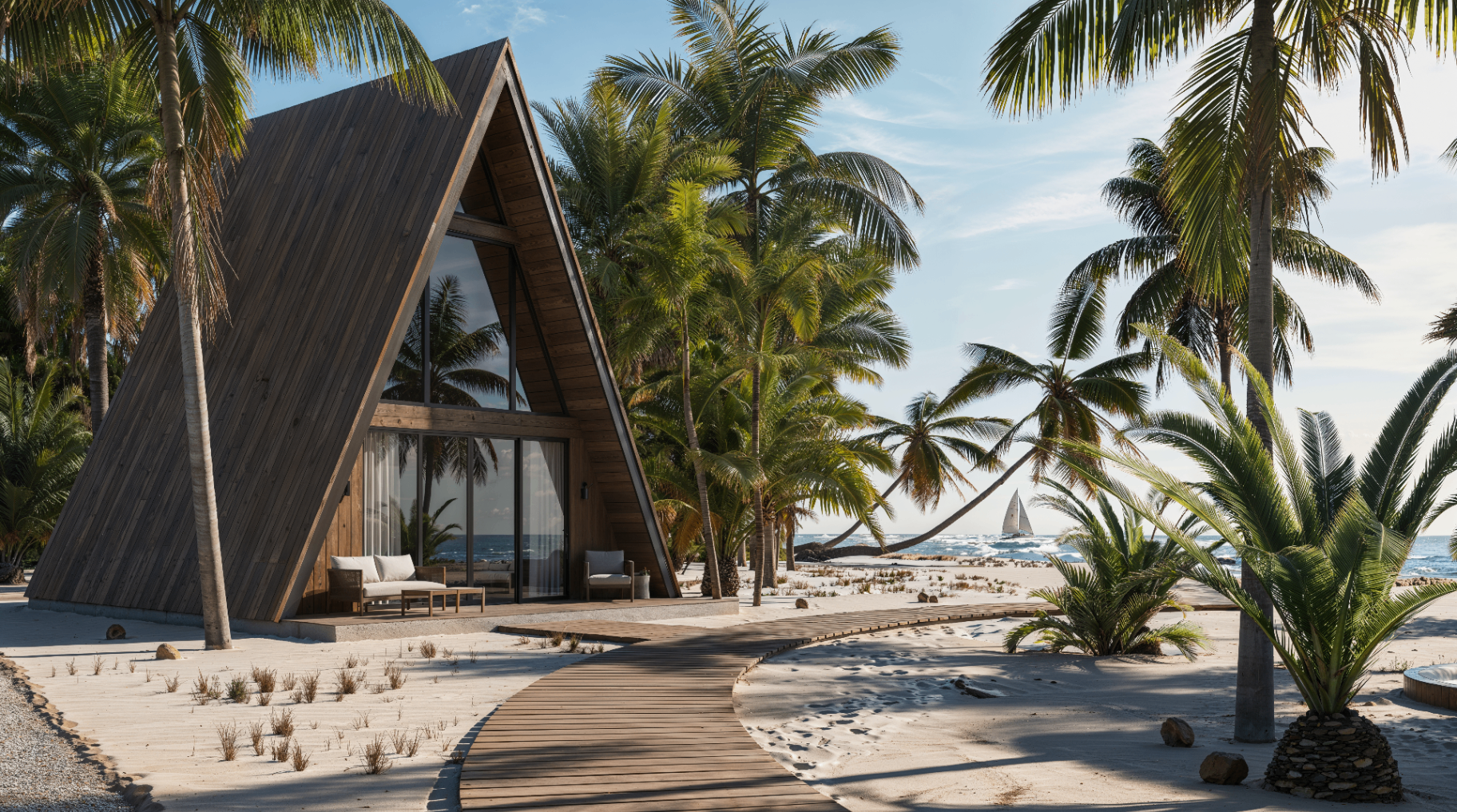
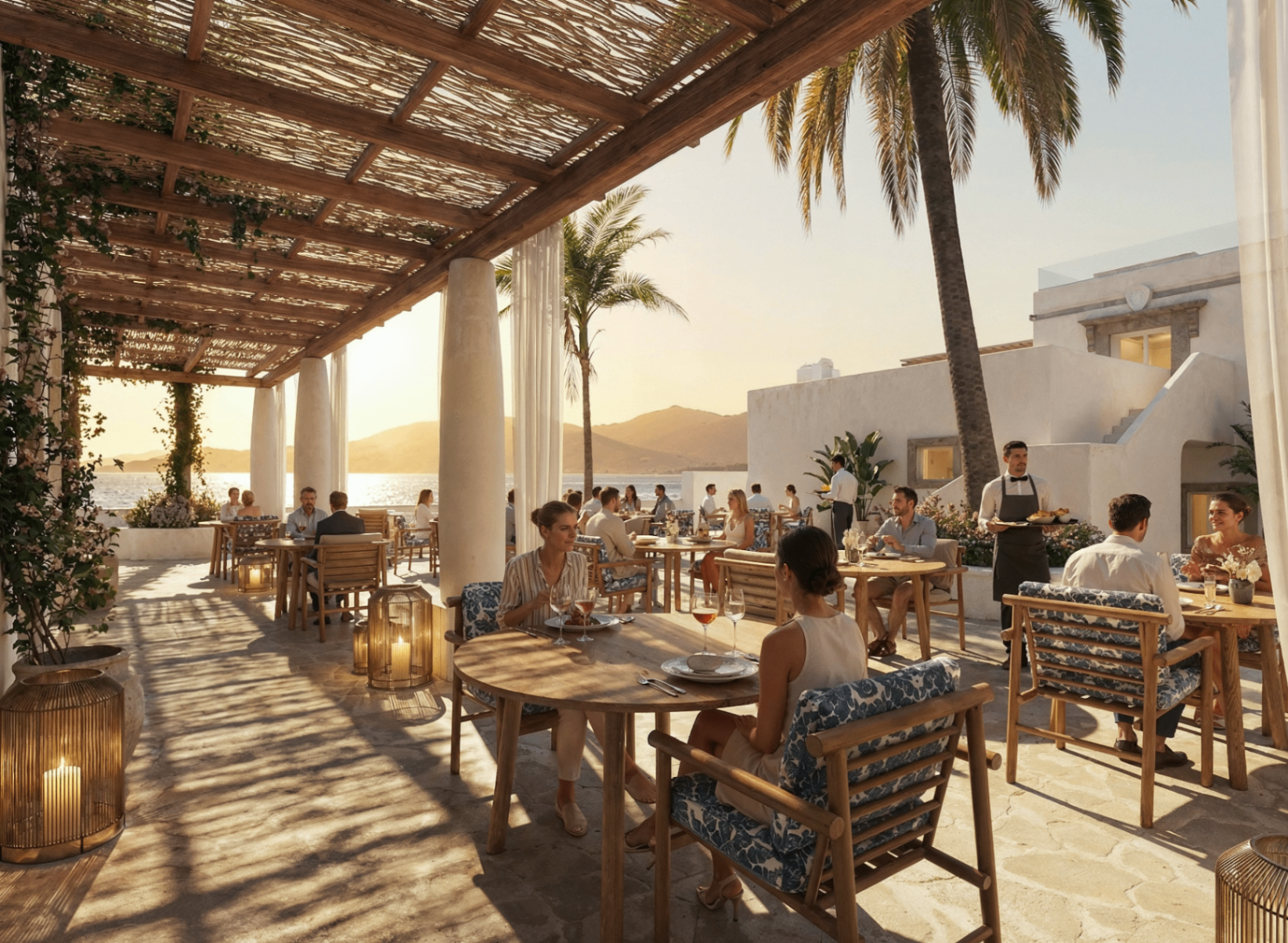
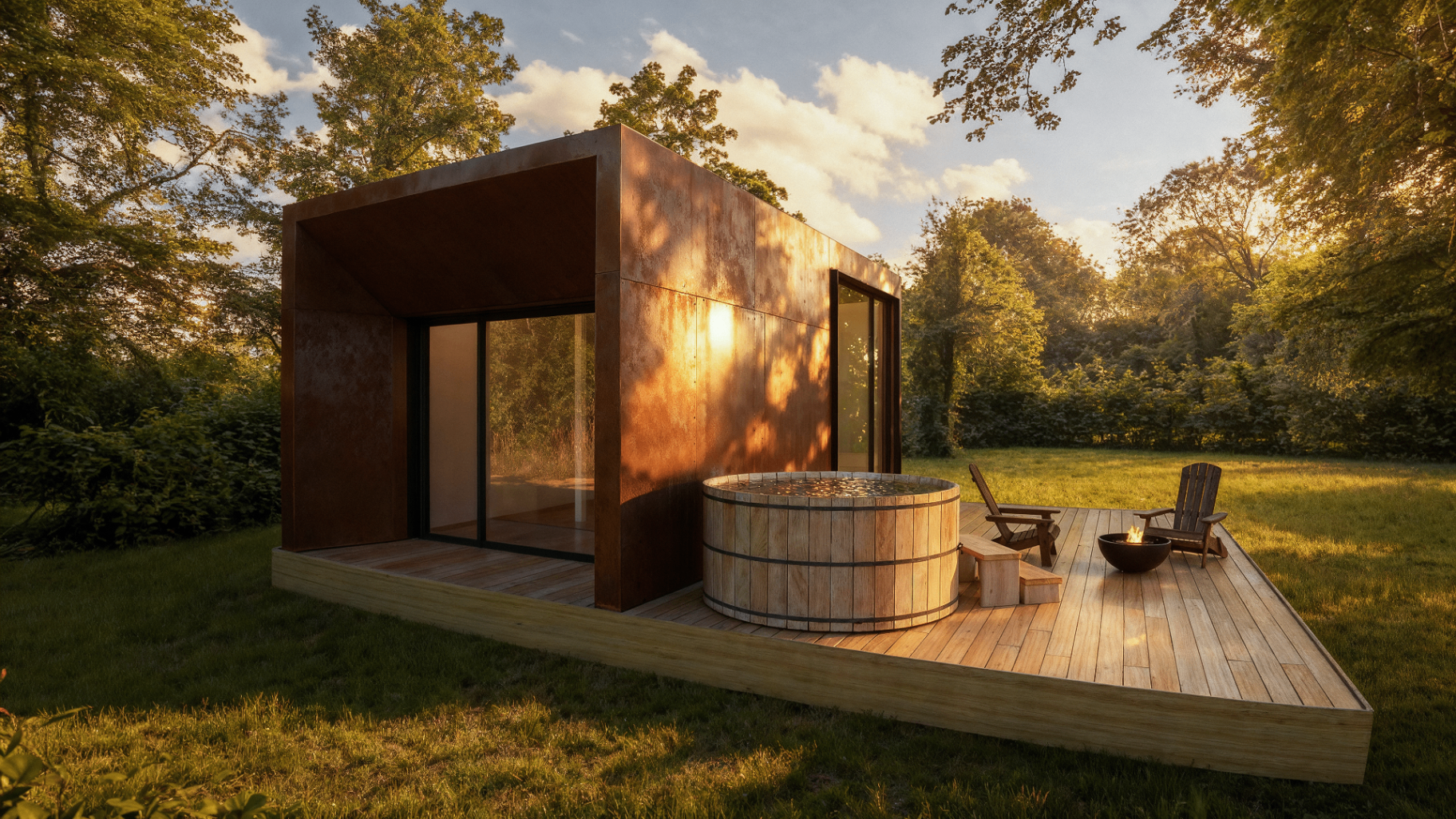
In a running hotel, that job is handled by photography. Real rooms, real light, real guests. In a pre-construction resort, photography is not an option. Photorealistic renders crowdfunding campaigns rely on are not decoration; they are the primary evidence that the project is real, considered, and worth backing.
This is the honest framing founders often miss: CGI for hotel crowdfunding is not "a nice visual" attached to a pitch. It is the pitch. The deck, the copy and the video wrap around it, but the render is what a backer stares at while deciding whether to trust you with a deposit.
What the best-funded hotel campaigns have in common
The top lodging campaigns on the market share one trait: they treat pre-construction resort visualization as a first-class asset, not an afterthought. A few data points make the pattern hard to ignore.
- Field Kosmos Resort, a stargazing-led resort concept in Colorado, hit its initial $20,000 goal within three minutes of launch and went on to raise more than $1.9M from over 1,600 backers.
- Cypress Resort in Georgia pulled in over $580K in the first 24 hours and closed at $785,285 from 544 backers - roughly 3,100% of its original goal.
- Mirror Hotels raised $1M in five hours and finished at $1,716,790 from 1,365 backers.
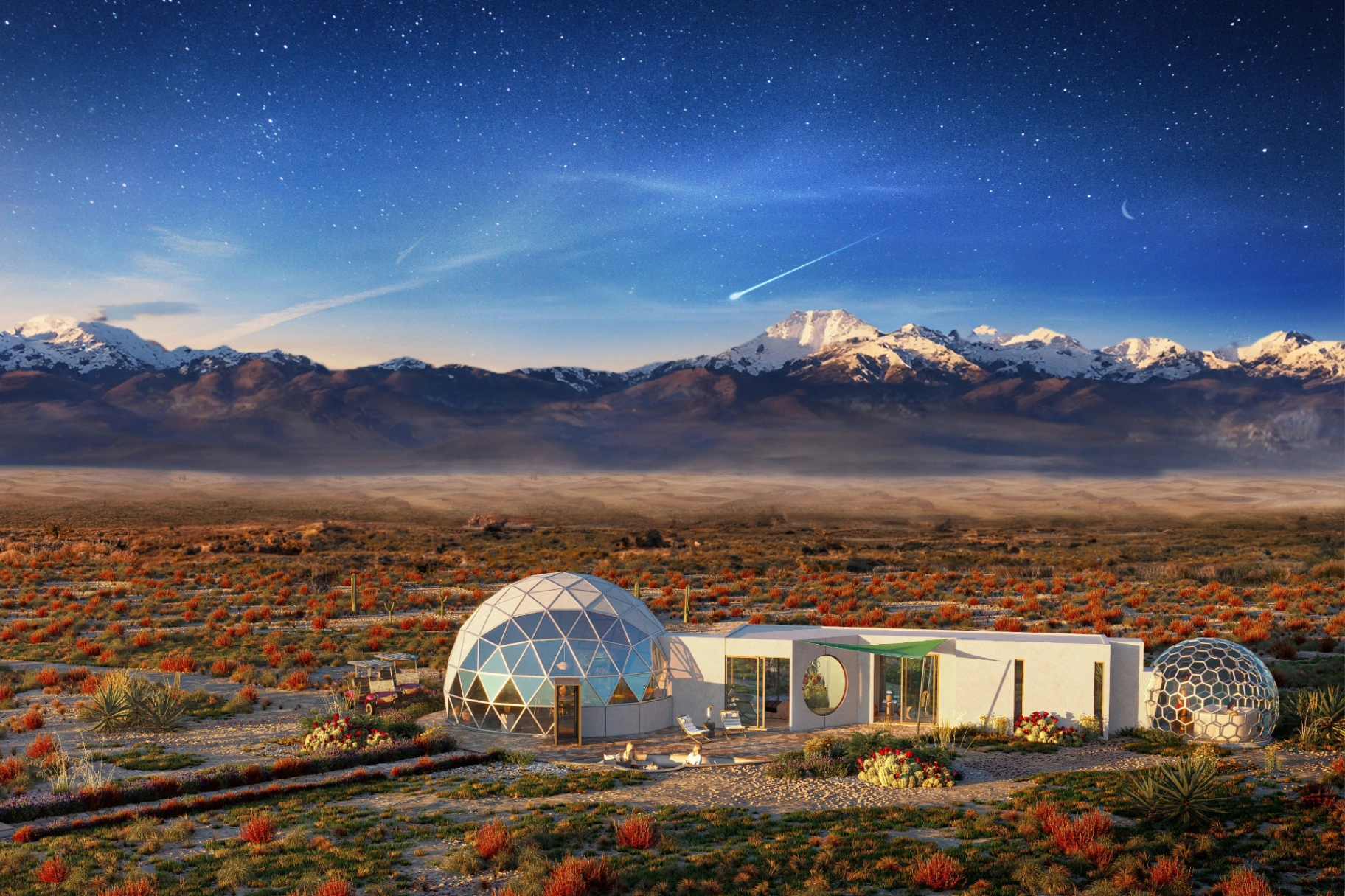
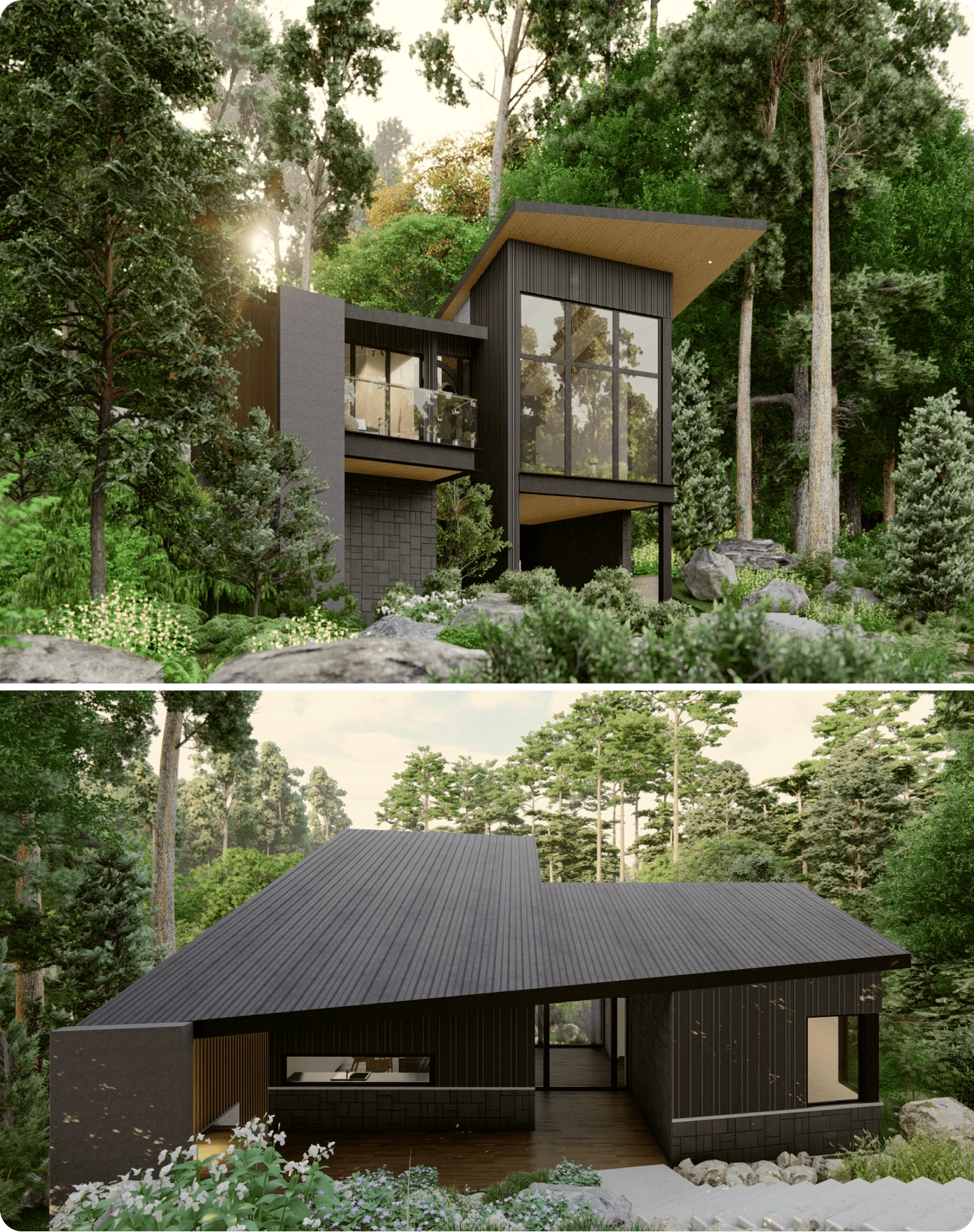
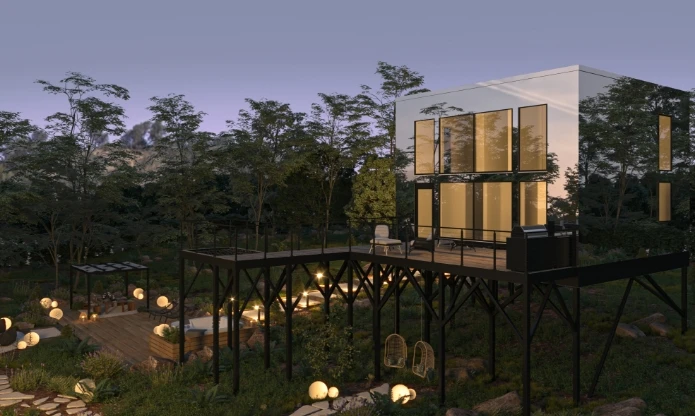
The specific lesson from Kosmos: renders that sell the experience, not the building
Inside the Kosmos campaign, the highest-performing images were not exterior beauty shots or floor plans. They were photorealistic renders of the night-time spaces showing the stars overhead - the exact experience the resort was built around.
That is the pattern worth internalising. Lodging crowdfunding renders convert when they communicate the promise of the stay, not just the architecture. A stargazing resort has to show the sky. A cliffside retreat has to show the drop. A forest lodge has to show the moment you open the door and see trees.
The render is doing the job the future guest experience would do in a marketing photo - months or years before that photo can exist.
Renders aren't just for the campaign page
Founders often brief a render package as "images for the Kickstarter page." That underestimates where the assets actually work. In a modern lodging raise, CGI for hotel crowdfunding shows up across the whole funnel.
- Pre-launch reservation funnel: paid ads on Meta and TikTok, landing pages and email sequences use hero renders to build a qualified reservation list before the campaign is even live. This list is what makes a launch look explosive on day one.
- Campaign page itself: the hero render, the room-type renders and the amenity shots carry the entire visual weight of the pitch, alongside the launch video.
- Post-launch updates: backer updates that show new renders - different times of day, new unit typologies, revised interiors - keep the community engaged and reduce refund pressure while construction is planned.
What makes a render actually convert
Not every render moves money. The ones that do share a short list of qualities, and they are the qualities we optimise for on every lodging project that comes through the studio.
- Photorealism, not concept art. Stylised sketches signal "idea"; photorealistic renders crowdfunding backers respond to signal "this is what I will actually walk into."
- Honest to the built reality. If the render shows finishes, materials or views that construction cannot deliver, refunds and reputational damage follow. Pre-construction resort visualization has to be a promise you can keep.
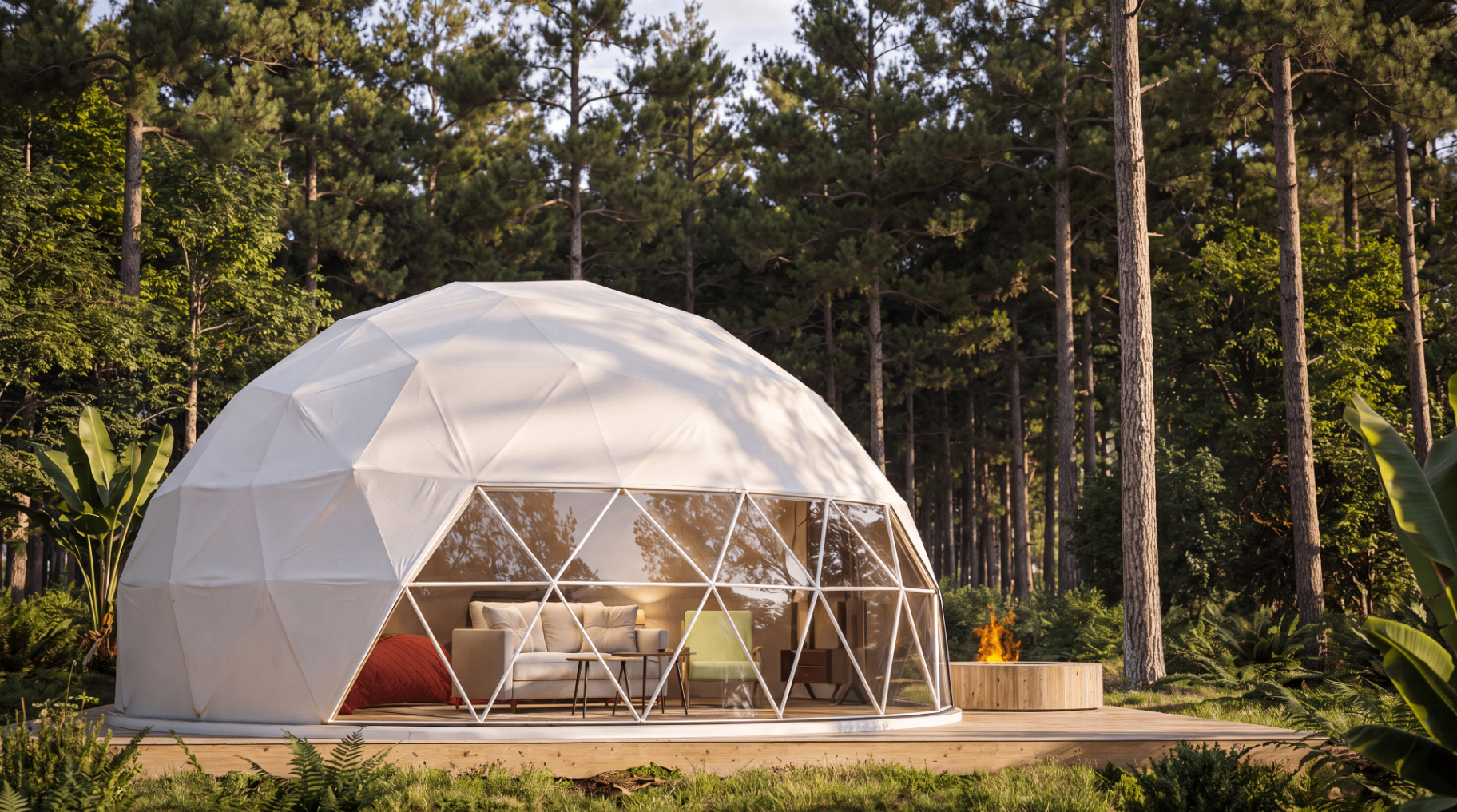
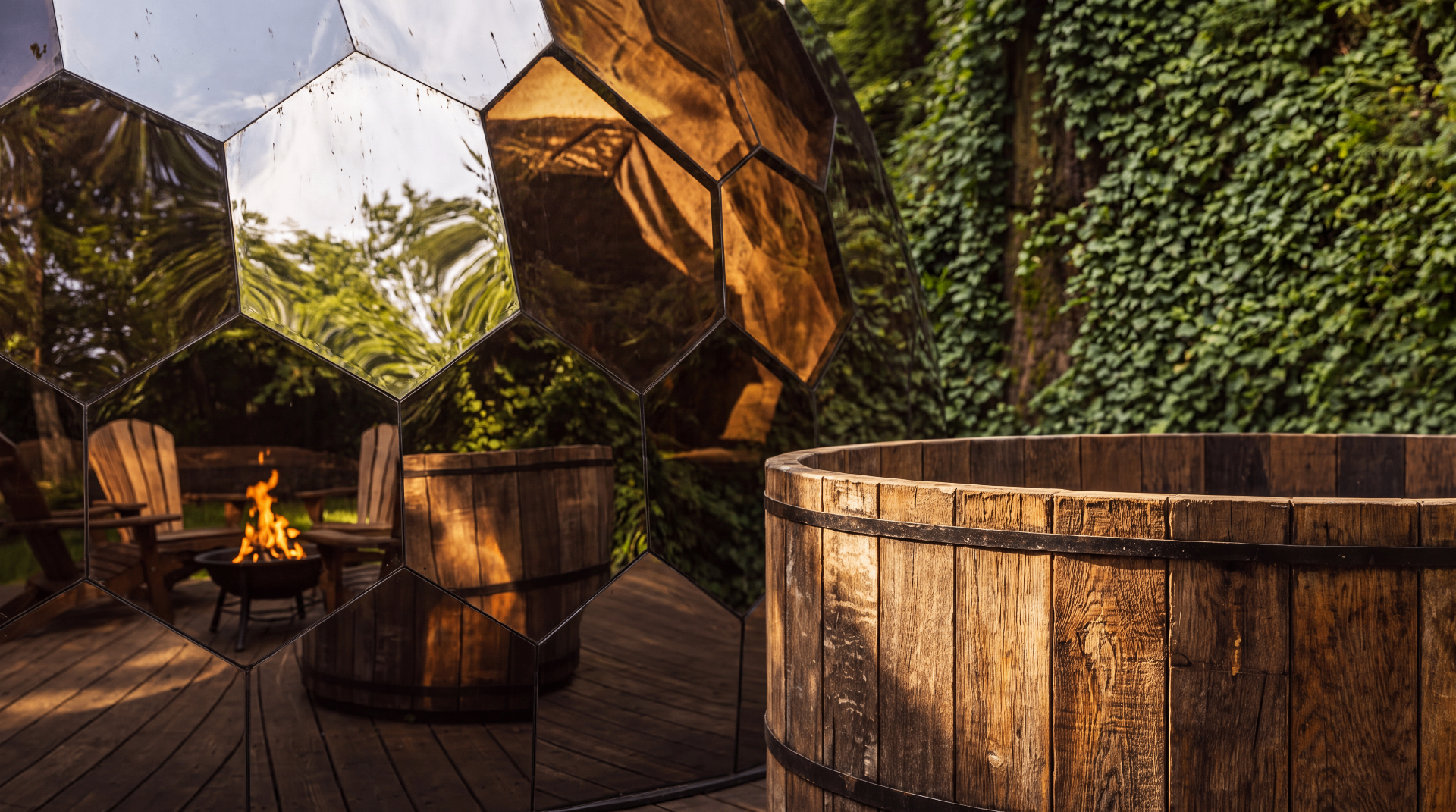
- Framing that communicates the specific promise. Generic hospitality angles - three-quarter exterior, empty lobby - do not sell a unique lodging concept. The frame should show why this resort is different: the treehouse height, the dome ceiling, the fire pit at night.
- A deliberate mix of day, night and detail. Golden-hour exteriors sell atmosphere, night shots sell experience (stargazing, fire, warm interiors through glass), and close-ups sell craft.
- Consistency across the set. When ten images look like they belong to the same project - same light logic, same materials, same tone - the whole concept reads as real.
Getting your renders ready before you launch
The founders who raise well do not commission renders in the final weeks before launch. They start months earlier, because the images have to be ready long before campaign day - to feed ads, build the reservation list, test creative and lock the visual story of the brand.
If you are planning a lodging or hotel crowdfunding raise, the render workstream should start as soon as the concept design is stable. That is the window where CGI can shape not only the campaign, but the project itself.