Trust is the real currency in lodging crowdfunding
Every lodging crowdfunding campaign, whether reward-based or equity, asks the same uncomfortable question: will you send money today for a resort you cannot walk into yet? For a backer, that is not a purchase decision. It is a trust decision. The room, the view, the pool and the night sky are promises. And promises, without proof, do not convert.
This is the central challenge in pre-construction hotel investment. A running hotel can rely on photography, reviews and occupancy history. An unbuilt project has none of that. Everything a potential backer or investor uses to judge the opportunity - the team, the market, the design, the legal status - has to be communicated deliberately through the campaign and the supporting assets.
That is why backer trust crowdfunding lodging founders build is not an abstract feeling. It is a stack of concrete signals: who you are, what you have already proven, what you can show, and what authorities have already approved. When those signals are missing, the campaign stalls. When they are present and coherent, capital moves.
Show the people behind the project
One of the strongest predictors of a successful hospitality raise is also one of the most overlooked: the team is visible. Backers and investors do not fund a location or a render. They fund the judgement of the people who will turn that location into a real business. A resort investor presentation that hides the founders behind slick visuals feels anonymous, and anonymous projects generate suspicion.
This lesson has been reinforced by several high-profile failed or delayed hospitality campaigns. When backers cannot see who is accountable, they assume the worst. The natural response is to keep the team page front and centre: real names, relevant backgrounds, why this project matters personally, and what each person is actually responsible for. Not a startup-style headshot grid, but a short, credible story about the humans making the decision.
For founders new to the hospitality space, honesty is more persuasive than inflated credentials. If you are bringing in operators, architects, general contractors or land partners, name them. If this is your first resort, say what you have learned from advisors or previous projects. Credibility comes from transparency, not from pretending to be further along than you are.
Prove the demand exists before asking for money
The most persuasive argument a founder can make is not 'we have a great idea.' It is 'other people already want this.' In both reward-based crowdfunding and equity hospitality raises, early proof of demand is one of the strongest trust signals available. It tells a backer that they are not the first to take the risk - that a community has already signalled interest.
The practical tool for this is a pre-launch reservation or interest funnel. A simple landing page with a waitlist is a start, but a waitlist is weak proof. A much stronger signal is a small, refundable deposit that lets a potential guest reserve early access or a founder's-rate stay. The difference is real commitment versus passive curiosity. In the best-performing lodging campaigns, people who put down even a modest deposit convert into actual backers at a dramatically higher rate than people who only joined a mailing list.
This matters because crowdfunding is not only a fundraising channel. It is also a public test of demand. When a campaign opens and the first-day numbers are strong, the social proof compounds. Investors who were on the fence see momentum. Backers who were cautious see that others have already decided. The pre-launch phase is where that confidence is manufactured, long before launch day.
Visual proof beats promises
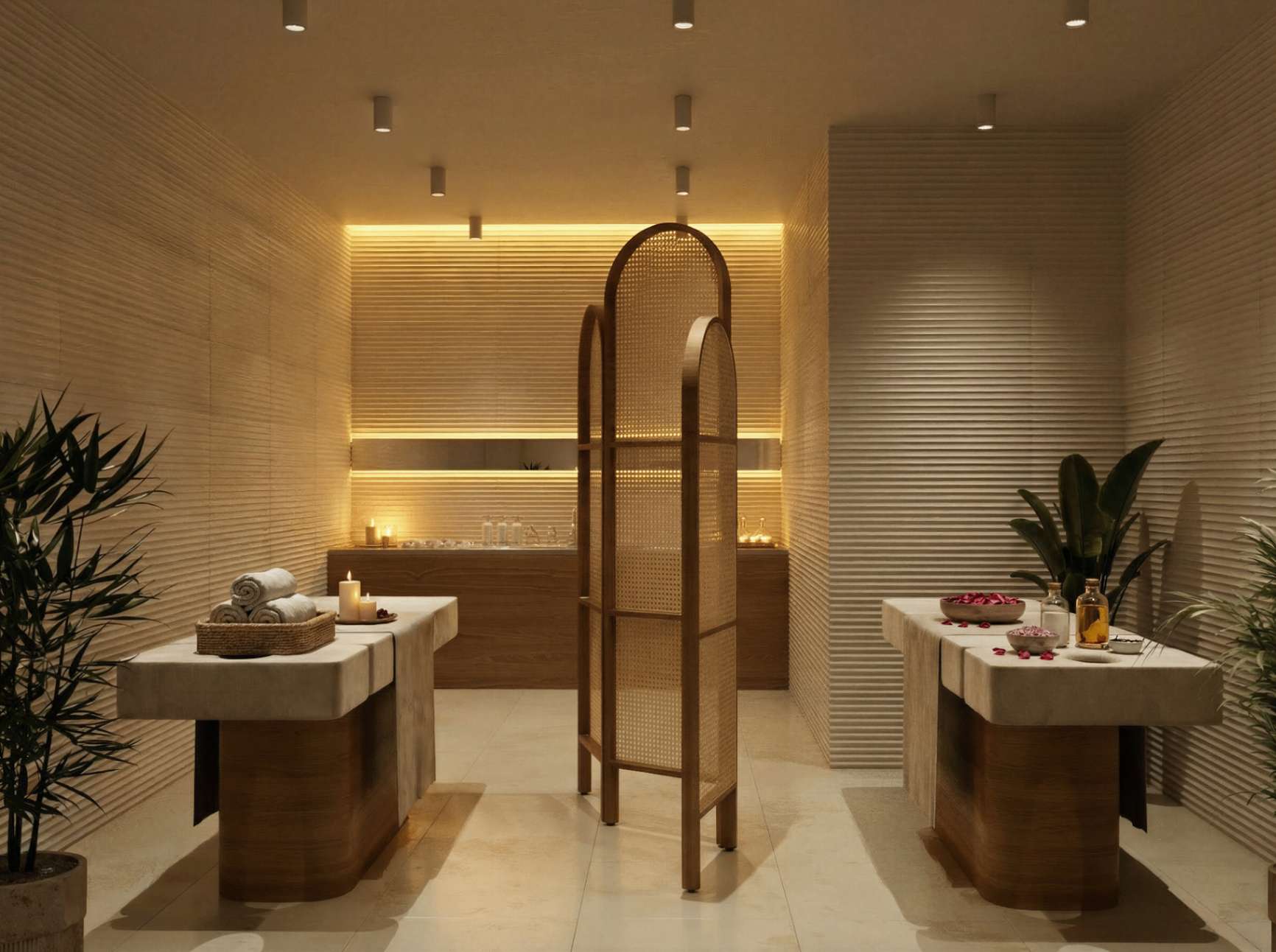
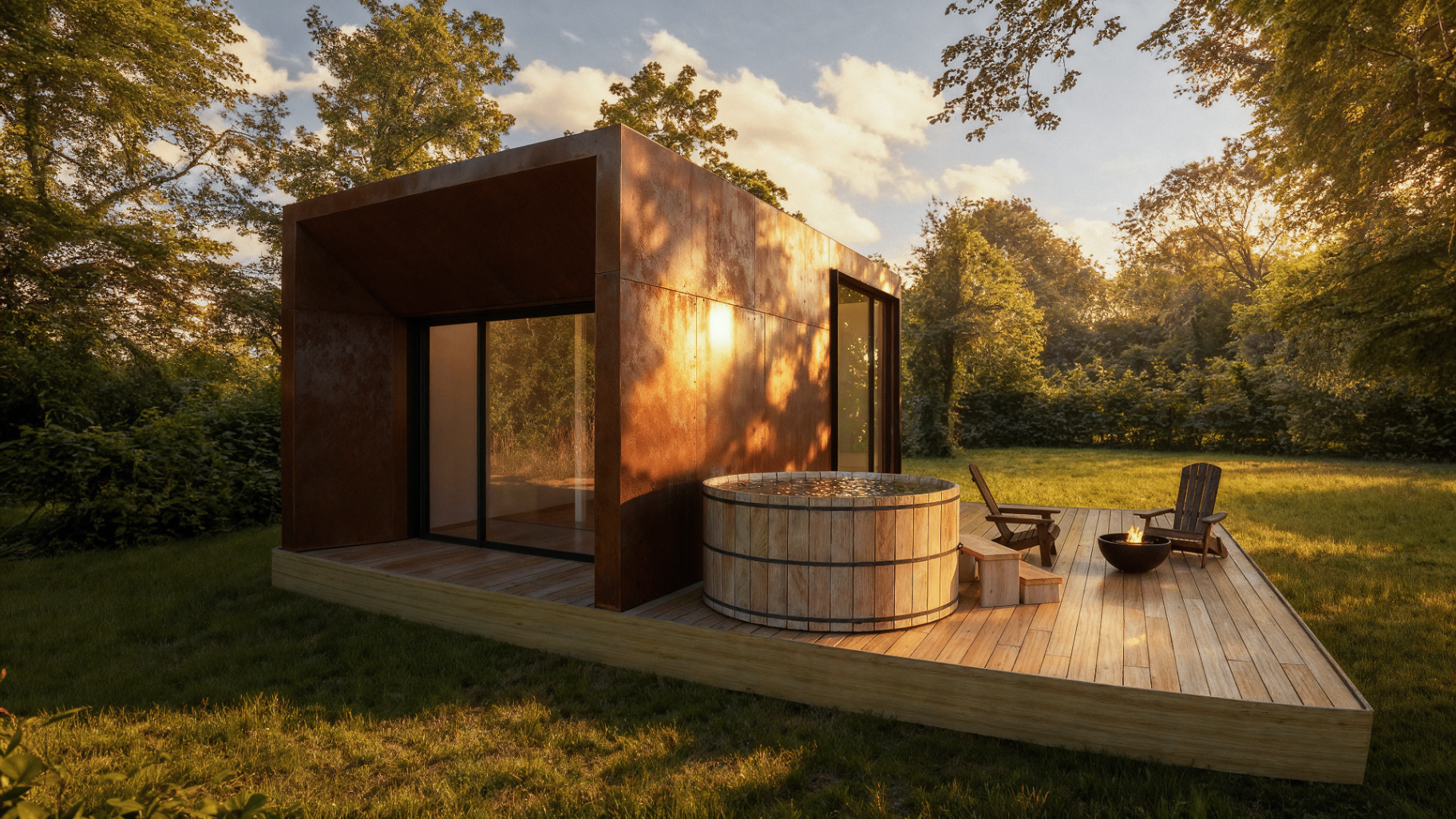
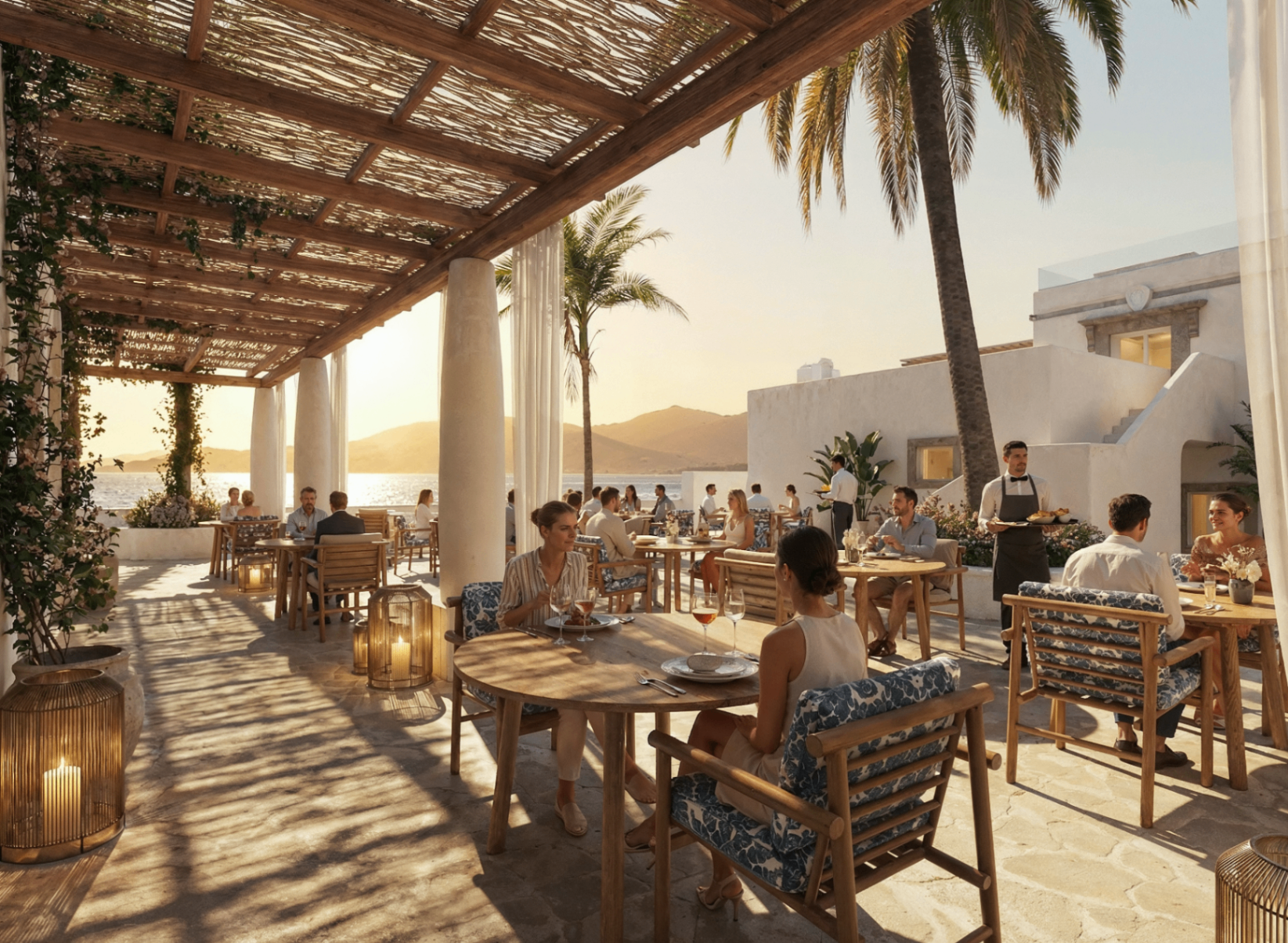
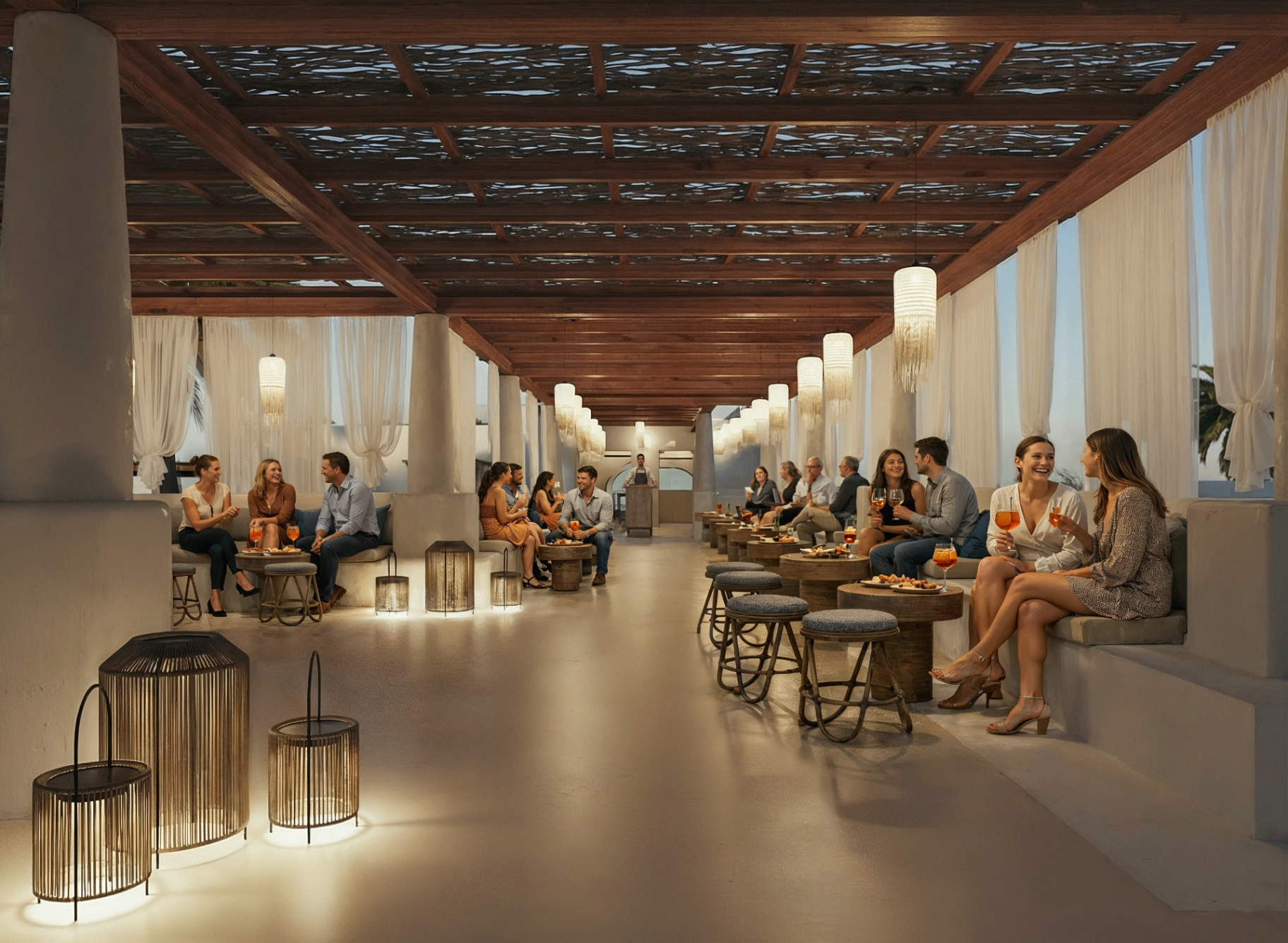
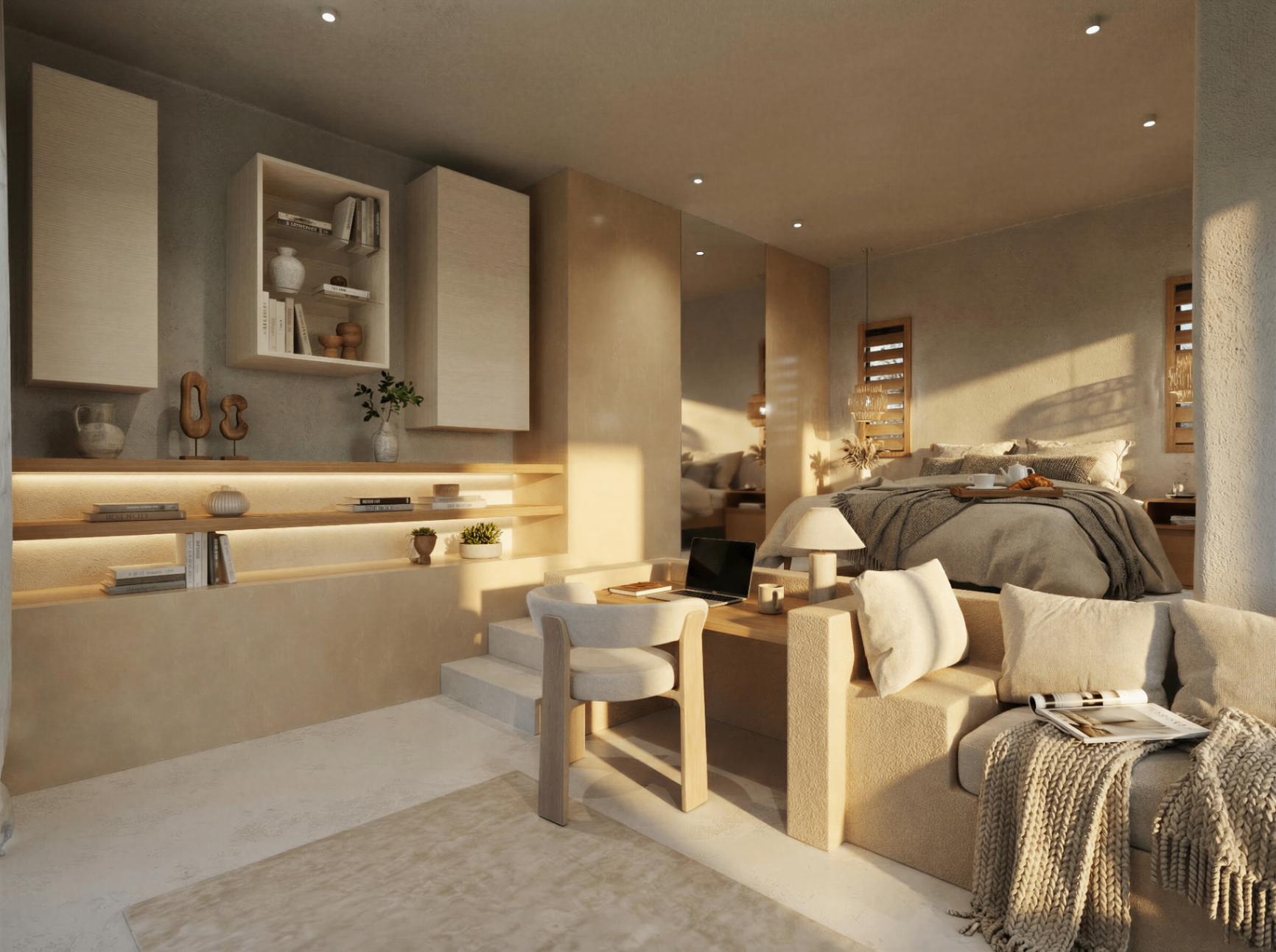
No matter how well a resort is described, a backer will always believe their eyes first. Photorealistic renders, masterplans, site photography and fly-through video are not creative extras for a lodging raise. They are the closest thing a founder can offer to a real experience before construction begins. In a resort investor presentation, visuals carry more persuasive weight than almost any paragraph.
The reason is simple. A render lets a potential backer picture the moment of arrival, the interior light, the view from the bed, the fire pit at dusk. Those emotional images are what people buy when they reserve a boutique hotel room or a glamping cabin. The campaign copy can explain the concept, but the visual has to make the backer feel it.
Good visuals also do defensive work. They show that the design has been thought through, that the spatial concept is coherent, and that the finishes and materials are specific enough to build. In pre-construction hotel investment, vague means risky. A detailed, believable render package turns a vague promise into a tangible plan.
What long-term investor confidence looks like
For investors thinking in equity or lending terms, the question is not just whether a single campaign will fund. The question is whether the project and the operator can return capital over time. The best evidence for that is a track record of repeated, successful raises. One campaign that funds is good. A series of campaigns that re-engage the same investor base is much stronger.
Falkensteiner Hotels, the Austrian hotel group, offers a useful real-world example. Over seven crowdinvesting rounds, the company raised more than €27 million from over 3,100 investors. That is not the result of one viral campaign. It is the result of trust accumulated across multiple projects, clear communication, consistent execution and investors who came back because they were treated well the first time.
For a first-time founder, this can feel out of reach. But the principle is transferable. Every touchpoint that respects the investor - clear updates, honest risks, realistic timelines, visible milestones - builds a relationship that can be activated again. The first raise is not only about funding this project. It is about proving you are the kind of operator who can run the next one.
Licenses, permits, and the boring stuff that builds trust
Experienced backers know that the most beautiful render in the world is meaningless if the project cannot legally be built. That is why licenses, permits, zoning approvals and site control documents belong in the trust stack from the beginning. They are not exciting, but they are exactly what separates a serious project from a speculative idea.
The question a backer is really asking is: what could stop this from happening? If the land is not secured, if the zoning is uncertain, if the environmental approvals are pending, those are risks that need to be disclosed. Hiding them does not make them disappear. It makes them louder in the backer's mind. Conversely, showing that permits are in order, or explaining the clear path to get them, removes a major objection.
This is also where compliance with local crowdfunding regulation matters. Investors want to know the raise is structured correctly and that the platform is appropriate for the offering. The more legal and regulatory homework is visible, the more the campaign reads as a real business asking for capital, not a speculative pitch.
Turning trust signals into campaign assets
All the signals we have discussed - the team, the proof of demand, the visual package, the permits and the track record - only matter if they are translated into assets a backer can actually see. A resort investor presentation is the place where trust signals become content. The deck, the landing page, the launch video, the reservation funnel and the campaign page itself should each reinforce the same narrative.
This is where the visual production layer becomes critical. Team credibility is shown through founder video and bios. Demand is shown through early reservation numbers and testimonials. The design is shown through photorealistic renders and masterplans. Compliance is shown through clear documentation and FAQ answers. The campaign should feel like a single, coherent proof, not a collection of unrelated files.
If you are preparing a lodging or hotel crowdfunding raise and the trust stack is not yet complete, that is the right time to bring in a partner who can shape it. The work is not just making things look good. It is making the project feel inevitable before the first guest ever arrives.